

The Rise of Art Products: Technology and the Future explores how the digital revolution has transformed the art industry, from the evolution of traditional crafts to the integration of cutting-edge technology. Art products have transitioned from handcrafted objects to digital, virtual, and augmented reality experiences, driven by advancements in 3D printing, virtual reality, and AI-driven design. These innovations not only enhance materiality and texture but also expand the creative possibilities, enabling new forms of artistic expression. The future of art products is likely to remain a dynamic interplay between traditional and digital mediums, leveraging emerging technologies to inspire and redefine the art world.
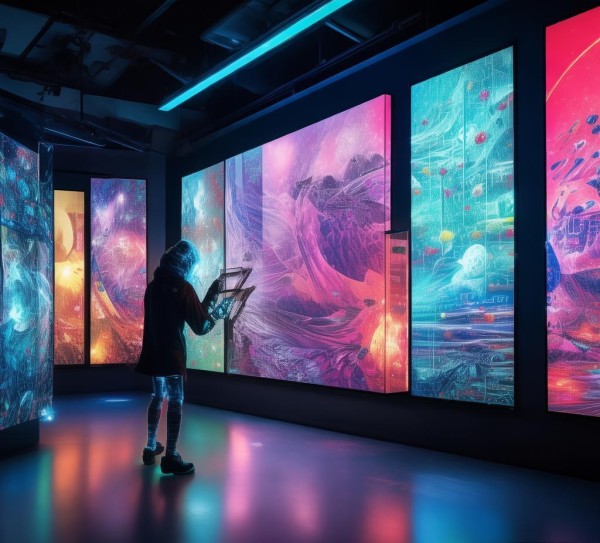
The term "art products" is not a single, static concept, but rather a dynamic field that encompasses a wide range of applications. At its core, it involves the integration of artificial intelligence (AI), machine learning, and other emerging technologies into everyday life. The development of art products has become an interdisciplinary endeavor, drawing from fields such as computer science, engineering, and even philosophy. By combining human ingenuity with cutting-edge innovation, these devices have become the backbone of modern life. One of the most iconic examples of an art product is the self-driving car. While still in the experimental phase, these vehicles have already demonstrated remarkable capabilities. They can drive autonomously, making decisions in real time based on vast amounts of data. The development of self-driving cars is a prime example of how AI is being harnessed to create a more efficient and intuitive transportation system. Similarly, the rise of art home devices, such as those that control art lighting or optimize energy consumption, has revolutionized the way we live and work. In the realm of art products, the concept of "autonomous" technology stands out. Autonomous vehicles, for instance, not only drive but also navigate without human intervention. This level of autonomy is achieved through advanced sensors, algorithms, and decision-making systems built upon AI. Similarly, art home systems, such as those that control art lighting or optimize energy consumption, rely on AI to provide personalized and efficient solutions. However, the development of art products is not without its challenges. One of the biggest hurdles is the ethical and legal considerations surrounding AI. The creation of systems that can operate independently without human intervention raises questions about privacy, surveillance, and the responsibility of developers. These challenges are not unique to AI but are shared by all advanced technologies. Another significant challenge is the need for seamless integration of art products into existing systems. For example, integrating a self-driving car into an existing traffic network requires careful planning and coordination. Similarly, integrating art home devices into existing energy systems requires the ability to coordinate the operation of multiple devices, which can be complex and costly. Despite these challenges, the potential of art products is immense. As AI continues to evolve, so too will the range of art products that can be developed. These products will not only improve our lives but also open up entirely new possibilities for creativity and innovation. The development of art products is a testament to the power of human ingenuity combined with cutting-edge technology. In conclusion, the concept of art products is a prime example of how technology can transform the way we live and work. From self-driving cars to self-healing devices, the rise of art products is a celebration of the possibilities that lie ahead. As we look to the future, we can expect to see even more sophisticated and intelligent products, driven by the continued innovation of AI and other emerging technologies. The challenge lies not in the technology itself, but in the ability of developers to create systems that are not only functional but also ethical and responsible.
本文标签: # future
 扫一扫微信交流